

Planar Magnetic Vs Dynamic Driver Headphones
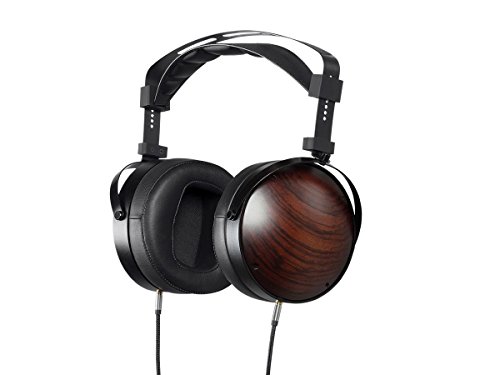
The majority of headphones and IEMs use dynamic drivers that make use of a cone to move between two directions, creating sound waves. Planar magnetic headphones feature a flat diaphragm. They are more expensive, however they have better images and clarity.
However, they will require more power to run the larger drivers, and might not be suitable for portable devices. The 'punch', or slam, is a result of this. For those who are audiophiles, they're an improvement.
The Basics
Planar Magnetic Drivers are quickly becoming a staple in headphones for their immersive sounds and crisp quality. While they aren't as common as dynamic drivers, you can locate big-name brands like Audeze and Oppo that sell the top Planar Magnetic Headphones. Planar Magnetic Headphones are a slightly different from traditional driver headphones as they don't use an active voice coil to create vibrations in the diaphragm. Instead, the charged portion of the driver is spread across the flat diaphragm's surface, which allows for more uniform motion.
Generally speaking the planar magnetic driver is more effective at producing soundwaves than dynamic drivers, due to a simpler mechanism. This could result in better distortion levels, a more precise response to the transients of music and a more natural soundstage.
There are numerous advantages when you choose headphones with a planar magnet drive. However, you should be aware of a few drawbacks. It is important to be aware that these headphones release more sound than open-back dynamic models. This is due to the fact that the diaphragm, which is flat, of the planar magnetic headphone will be able to push sound in both directions, so sound waves will escape out of the ear cups and into your surroundings. This is something you should take into consideration if you'll use your headphones in public or at the office.
Another issue is that planar magnetic headphones typically require more power to achieve their full potential than other headphone designs. They require more power to evenly move their large diaphragms that are thin, and as such, they tend to be a little bulkier and heavier. This is a disadvantage when you want to keep your headphones lightweight and portable.
Planar magnetic headphones might not be as powerful or slam some listeners desire. This is because the diaphragm's flat shape doesn't move in the same way as traditional headphones and isn't able to be 'plucked,' as some listeners may wish. However, this is not a universally held opinion and there are some premium planar magnetic headphones (like the HiFiMAN Sundara) that are excellent at image distribution and punch.
If you're willing to overlook these concerns, and are ready for a headphone with a unique soundstage and unsurpassed clarity the planar magnetic headphones are definitely worth considering. Make sure to consider the additional costs and power requirements and their size and weight, before making a purchase. The good news is that there are several exceptional planar magnetic headphones for sale at reasonable prices, such as the well-known HiFiMAN Sundara. This gives a taste the speed, accuracy, and detail that planar magnetic headphones offer without costing a fortune.
Advantages
There are many top headphones with dynamic drivers, many of the best headphones in different price ranges use the planar magnetic technology. These headphones are generally more expensive than their counterparts with dynamic drivers, but also offer superior performance, with large soundstages and an immersive listening experience.
To create vibrations in the diaphragm, planar magnetic headphones employ two or more magnets that are suspended on the flat surface of the driver as well as an conductor trace that runs across the diaphragm. Electrical impulses passing through these wires induce a magnetic force that reacts with the magnets, causing them to vibrate. The force produced is evenly distributed over the entire surface of diaphragm. This does not cause distortion like dynamic headphones.
These headphones feature a bigger soundstage and a better transient response than dynamic models. They can also handle audio changes with greater accuracy. They also have lower resonance and a flatter frequency response, which makes them more accurate in the bass region than dynamic headphones and offering more fuller, richer sound.
Because they are more precise they have an authentic and clear sound quality that makes them more appealing to audiophiles. This is evident in the clarity of their sound as well as how they reproduce stereo balance and position of instruments. This is particularly important in closed-back models like the HiFiMAN Sundara that provide an even and spacious soundstage.
planar magnetic gaming headset are also less likely to break as forces acting on the diaphragm compromise the structural integrity of the diaphragm and cause different points to move out-of-sync. This issue could result from inadequate design or manufacturing and is among the main reasons why these headphones are considered the best choice.
This kind of headphone has some disadvantages. First, it requires an enormous amount of power to run the driver. As a result, they can be heavy and bulky, which could make them less mobile as compared to their more dynamic counterparts. They also tend to release more sound, which means that you'll need to be in a closed area to listen without causing disturbance to others around you. Fortunately, the latest models come with improved seals and noise-isolation to reduce this issue. For these reasons, it's difficult to give an exact answer on whether or not planar magnetic headphones are truly superior to dynamic ones. It's all about your priorities and what you want from your audio experience.